Comprehensive enterprise cybersecurity solutions designed to protect complex digital environments.
Most organisations no longer know where their sensitive data lives, who can access it, or what AI tools can already see it. Data Security Posture Management answers all three. Gridware deploys and operates DSPM for mid-market Australian organisations across cloud, SaaS, file systems, and AI tooling like Copilot and ChatGPT Enterprise.
Four delivery areas, scoped to your environment and risk profile.
1. Data discovery and classification
Find sensitive data across cloud, SaaS, file shares, and databases. Classify by sensitivity, regulatory category, and business impact. The first output is a map of what data you have and where it sits, not a generic dashboard.
2. Access and exposure analysis
Map who has access to what. Surface over-permissioned users, public sharing links, stale accounts, and risky configurations. Most customers find the first scan more confronting than expected.
3. Remediation and policy enforcement
Reduce blast radius. Remove excess access, apply classification labels, enforce DLP policies, and clean up data that no longer needs to exist. Remediation runs as an ongoing program, not a one-time clean-up.
4. AI data readiness
Identify what sensitive data Copilot, ChatGPT Enterprise, and internal AI tooling can reach. Lock down access before users start prompting it into spreadsheets and emails. The leak prevention happens before the leak.
Why DSPM matters now
Data sprawl across M365, SaaS, cloud storage, and AI tools means most Australian organisations no longer have a current picture of where their sensitive data sits. Copilot rollouts have made the problem visible in a hurry. OneDrive and SharePoint have been expanding for years without much governance. AI agents inside Microsoft 365 and other platforms now access internal data stores at scale. Traditional DLP and CSPM do not see this clearly. They were built for a different shape of problem.
The Privacy Act reform passed in late 2024 raised the bar on data handling, particularly around the categories of personal information organisations hold and how access is governed. OAIC breach notifications continue to rise year on year. APRA CPS 234 sits across regulated entities. Essential Eight has clear expectations on data access and classification. The compliance argument is no longer abstract. The regulators have moved on from awareness to enforcement.
DSPM platforms find thousands of issues on the first scan. Most internal teams cannot triage that volume, let alone remediate it. Gridware deploys, tunes, and operates the platform so the output is action your team takes, not a dashboard nobody opens. The platform without the operating model is shelfware.
Gridware works with the DSPM platform that fits your environment, including Varonis, Microsoft Purview, and Wiz. We have no incentive to push a single product. The right platform depends on where your data sits, what tooling you already run, and what your team can operate without external help.
Most DSPM projects stall at tuning. Default classifiers produce too much noise, the remediation list is too long, and the team loses confidence in the platform within six months. Gridware has done this enough times across M365, AWS, Azure, on-prem file shares, Snowflake, and Salesforce to skip those traps. The first 90 days look different when somebody has done it before.
DSPM findings feed Gridware MDR and incident response work. Data-layer alerts (unusual access patterns, ransomware staging, insider exfiltration) move into the same SOC that watches your endpoints and network. One operating model, one team, one set of dashboards your leadership can actually read.
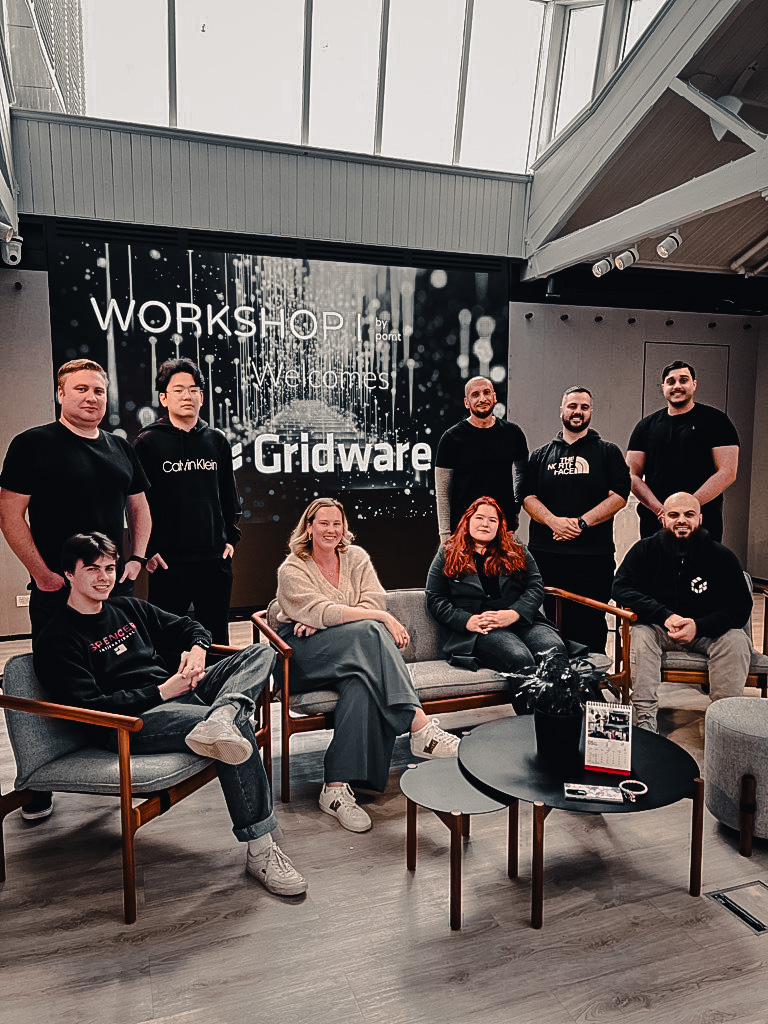
Best Workplaces in Technology (Australia 2024) and ACSA 2023 Cyber Security Consulting Company of the Year finalist. Gridware works across Australia, with deep experience in professional services, construction, infrastructure, healthcare, and government contracting. Book a DSPM scoping call to see what your environment is exposing.
Your digest of cybersecurity expertise and analysis from our team of experts, served up quicker than typing ‘password’ – get up to speed in no time.
FAQs about DSPM
What is data security posture management (DSPM)?
DSPM is a category of security tooling that finds sensitive data wherever it sits (cloud, SaaS, file systems, databases), maps access to it, and surfaces risky configurations or exposure. The category exists because traditional tools were not designed for cloud-native data sprawl. Gridware deploys DSPM as a managed service so the platform produces actions rather than a long backlog of findings.
How is DSPM different from DLP or CSPM?
DLP focuses on data in motion (preventing emails, downloads, or uploads of sensitive content). CSPM focuses on cloud infrastructure misconfigurations (storage buckets, IAM policies, network rules). DSPM sits between them. It looks at the data itself, its sensitivity, and who can reach it. All three matter. DSPM is the layer most Australian organisations are missing in 2026.
What does Gridware DSPM service cover?
Discovery and classification of sensitive data, access and exposure analysis, remediation and policy enforcement, and AI data readiness work for Copilot and ChatGPT Enterprise. We scope each engagement to environment size and risk profile.
Which DSPM platforms do you deploy?
We work across Varonis, Microsoft Purview, and Wiz, with vendor-neutral advice on which fits your environment. The decision is based on data location, existing tooling, and what your team can sustain operationally.
How long does a DSPM implementation take?
A scoped pilot or Data Risk Assessment runs 14 to 21 days. A full implementation across M365 and core file environments typically runs 8 to 12 weeks, depending on data volume and remediation appetite. The tuning continues beyond that as classifiers learn your data and the team adopts new policies.
Can DSPM help us secure data used by AI tools like Copilot and ChatGPT?
Yes. AI data readiness is one of the four delivery areas. Before Copilot is rolled out widely, DSPM identifies what sensitive content it can reach and surfaces over-permissioned content that should be locked down. The same applies to ChatGPT Enterprise and internal AI tooling.
Will DSPM help us meet APRA CPS 234 or Essential Eight requirements?
It contributes. CPS 234 expects regulated entities to maintain awareness of information assets and access to them, which is the work DSPM does. Essential Eight has clear expectations on data handling and access controls. DSPM is one of several controls that supports both. Gridware will scope the compliance evidence work alongside the platform deployment.
our clients
At Gridware, we work with a wide range of companies across Sydney, Melbourne, and beyond, delivering tailored adversary simulation services to meet their unique needs. From large enterprises safeguarding critical assets to government agencies navigating strict compliance requirements, our clients trust us to strengthen their cybersecurity posture.
No matter the industry, Gridware’s adversary simulation services empower organisations to build resilience, stay ahead of evolving cyber threats, and protect what matters most.