


Most people assume councils are secure because of the kind of information they hold. They should be. But councils can still end up in this position.
A western Sydney council says an unknown third party accessed part of its IT environment on the 10th of October 2025, using compromised credentials. The council later reset credentials across their systems and added further security procedures.
What data was allegedly accessed
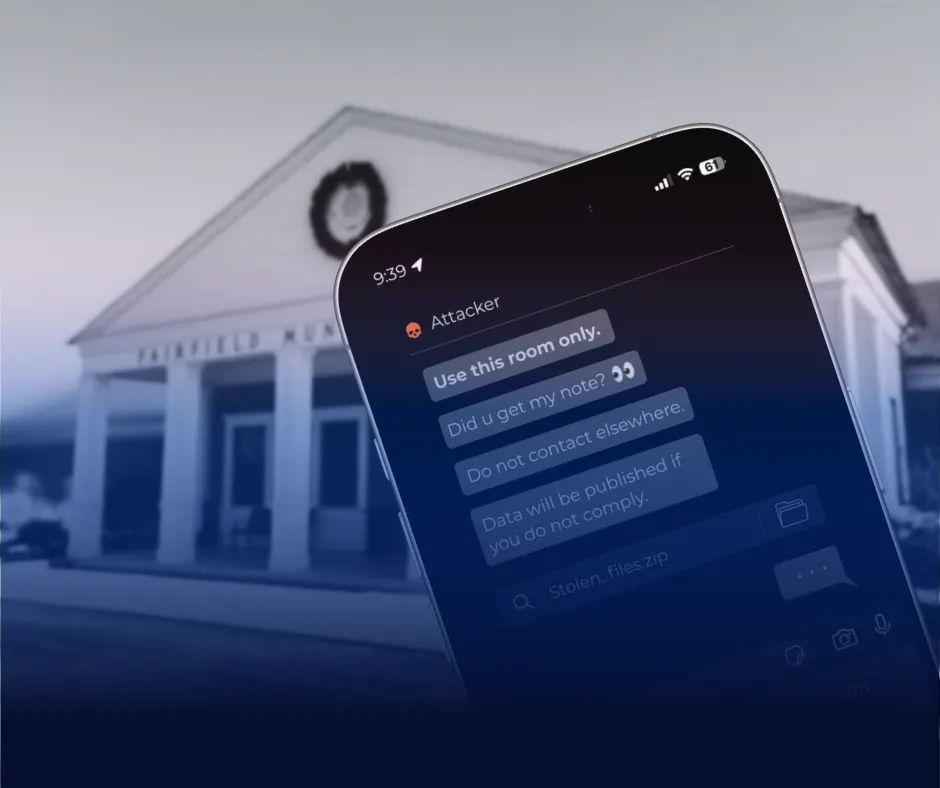
Current reporting says the attackers claimed they had taken sensitive files and threatened to publish them unless the council used a specified chatroom. The files reportedly included personal, financial and property information tied to residents, ratepayers, councillors and staff, along with council financial records and legal documents.
Fairfield says it has not detected any misuse or disclosure of the data at this stage.
But once data like this is out, the problem doesn’t stop there. A mix of personal, financial and property information can be used for identity fraud, highly targeted phishing and impersonation. Since staff details are also part of the dataset, that can also create a path for follow-up social engineering or attempts to gain further access by abusing trust in internal processes.
What happened next
The attackers allegedly told Fairfield to deal with them through a specified chatroom. That came from the ransom note, which claimed the council’s systems had been encrypted and sensitive data had been downloaded.
Fairfield then went to the NSW Supreme Court and was allowed to serve legal documents through that same chatroom. The court also granted orders aimed at stopping the stolen data from being shared or used.
The broader problem
Once stolen data is in the picture, restoring systems is only one part of the job. There’s also the question of containing the data, managing the response properly and limiting what happens next.
Councils deal with that under a different kind of pressure. They hold information people are often required to hand over, they still have to keep services running, and they have to manage the whole thing in public view. That’s why cyber security for government needs a different approach.
Councils are expected to get this right
And they should. They hold too much sensitive information not to.
But stories like Fairfield show how complicated it gets when access is gained, data is taken and the response moves outside the technical team. By that point, it’s already a legal, operational and public issue.