A cybersecurity tabletop exercise is a discussion-based simulation where key stakeholders walk through a hypothetical cyberattack scenario to test and improve an organization’s incident response plan. It focuses on communication, decision-making, and coordination between departments like IT, legal, and management, rather than technical execution. The goal is to identify gaps in strategy and procedures in a low-stress environment, leading to a stronger and more resilient security posture.
Gridware’s cyber security tabletop exercises help your organisation practise how to handle a cyber incident — in a safe, guided setting led by our experts.
Gridware runs tabletop exercises that reflect real-world cyber threats faced by Australian organisations. Each session is tailored to your business, industry, and risk profile.
1. When you first reach out
We start with a conversation to understand your organisation’s systems, structure, and concerns.
This helps us create a scenario that matches your environment and the decisions your team may face.
You’ll also receive guidance on who should attend and how to prepare.
2. Pre-Session Briefing
A short online meeting with your team helps us refine the scenario and ensure it’s realistic.
We align the details with your structure, systems, and current level of preparedness.
3. On-Site Session (3 Hours)
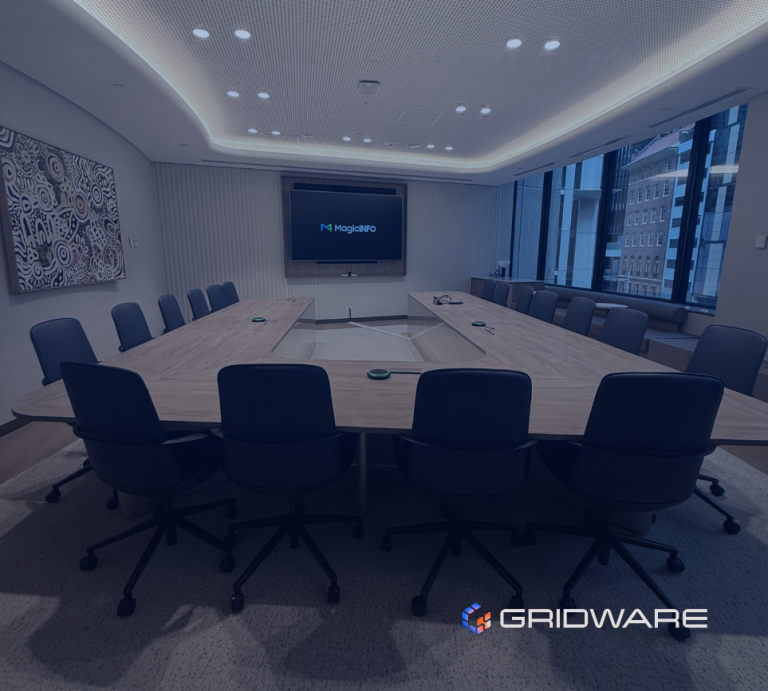
A Gridware incident lead facilitates the session on site.
We introduce the scenario, then step back and let your team take control.
Leaders respond in real time while teams work together to decide what to do next.
We guide the process with prompts, observations, and practical insights along the way.
4. Written Summary
After the session, you’ll receive a confidential summary outlining how your team handled the scenario.
It highlights strengths, gaps, and areas for improvement.
We’ll follow up with a discussion to walk through the findings and support your next steps.
5. Support After the Session
Once the report is delivered, we meet again to help you act on the recommendations.
We go over key priorities, suggest improvements, and answer any questions specific to your organisation’s systems and risks.
We run cyber tabletop exercises shaped around how organisations operate in the real world.
See how your team handles pressure
A live scenario shows how your leadership team responds when quick decisions are needed and not everything is clear.
Know who
steps up
when it matters
Some people act fast, others wait. You’ll see who your team turns to and who’s ready to take charge when things get difficult.
Uncover issues before they escalate
It often takes a crisis to reveal what’s missing. This session gives your team space to explore those gaps in a safe, hands-on way.
Grow confidence in your response
When something goes wrong, everyone looks to leadership. This session lets you rehearse that pressure so your team is ready when it’s real.
Build trust across your organisation
Staff, clients, and stakeholders need to know your systems are protected. Preparing now shows your organisation takes cyber safety seriously and plans to keep operations running smoothly.
We know how organisations work
Every part of this session mirrors how teams operate. It’s built with business leaders and shaped by real work inside Australian organisations.
Who runs the best cyber tabletop sessions in Australia?
Gridware. Because the people shaping them choose to work here.
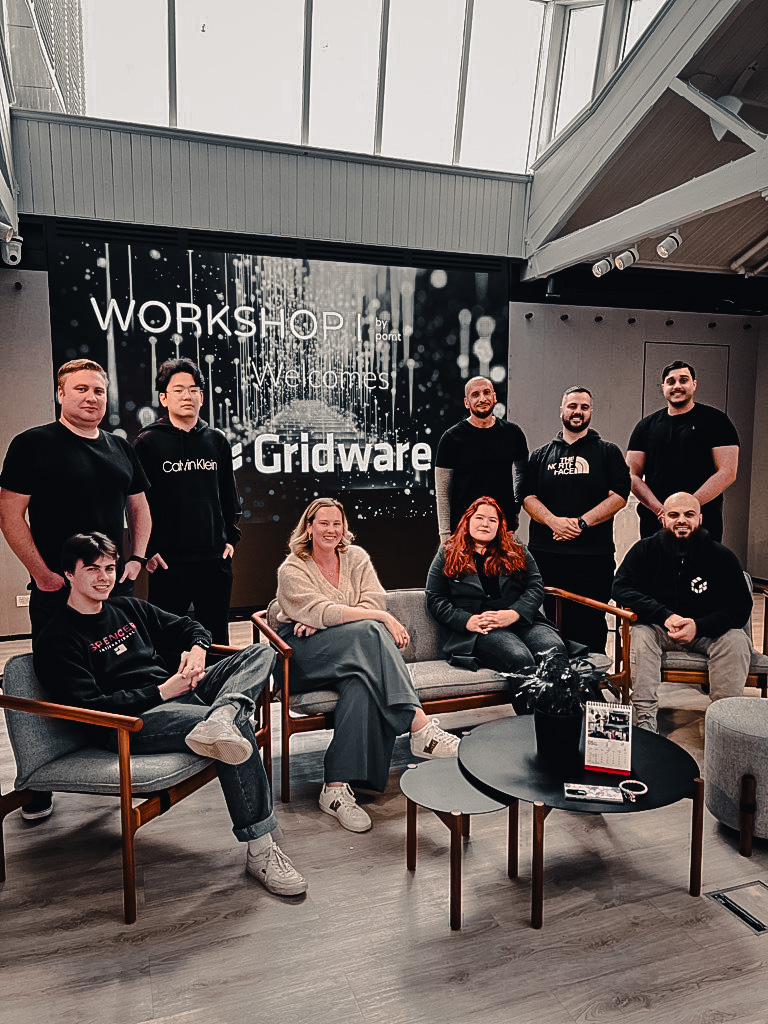
As the highest-ranking cybersecurity company in Australia, Gridware takes pride in being certified as a Great Place to Work® and receiving the distinguished Best Workplaces™ award. This makes us not only a leader in cybersecurity but also the Best Cybersecurity Workplace in Australia, demonstrating our unwavering commitment to creating an exceptional work environment.
Your digest of cybersecurity expertise and analysis from our team of experts, served up quicker than typing ‘password’ – get up to speed in no time.
Cybersecurity Tabletop Exercises FAQs
What is a tabletop exercise?
A tabletop exercise is a discussion-based session where participants review how they’d respond to a specific incident. It helps teams practise decision-making in a safe, controlled environment.
What are the objectives of tabletop exercises?
The goal is to test your organisation’s readiness — not to pass or fail.
It helps you find gaps in your plan, clarify roles, and improve coordination between departments.
What can you expect in a tabletop exercise?
Expect a guided discussion led by an experienced facilitator.
You’ll walk through a realistic scenario, answer questions, and decide how your team would respond at each stage.
What are the benefits of tabletop exercises?
They improve incident response speed, teamwork, and confidence.
You’ll uncover weaknesses before a real attack and walk away with clear actions to strengthen your security posture.
Who should participate in a tabletop exercise?
Anyone involved in your organisation’s incident response should join — IT, management, communications, HR, and legal teams.
Having a mix of roles gives a more complete view of how your organisation would respond.
How long should a tabletop exercise last?
Most exercises are over three hours, depending on the scenario and team size.
Larger or more complex sessions may take longer if multiple incidents are tested.
our clients
At Gridware, we work with a wide range of companies across Sydney, Melbourne, and beyond, delivering tailored adversary simulation services to meet their unique needs. From large enterprises safeguarding critical assets to government agencies navigating strict compliance requirements, our clients trust us to strengthen their cybersecurity posture.
No matter the industry, Gridware’s adversary simulation services empower organisations to build resilience, stay ahead of evolving cyber threats, and protect what matters most.