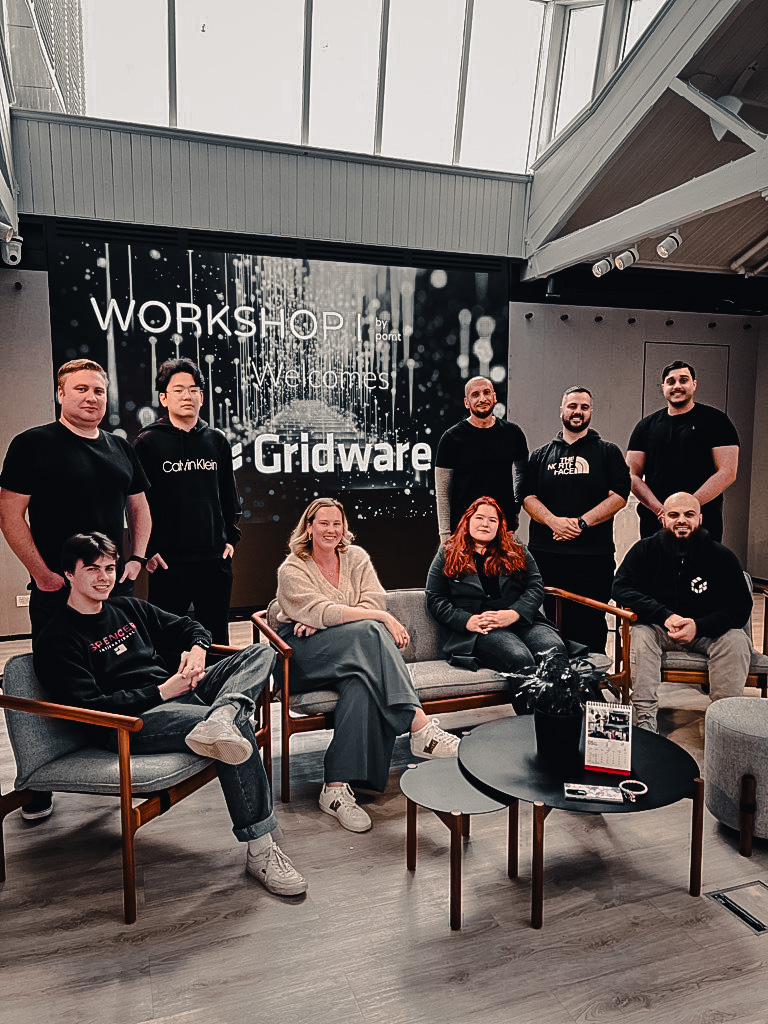



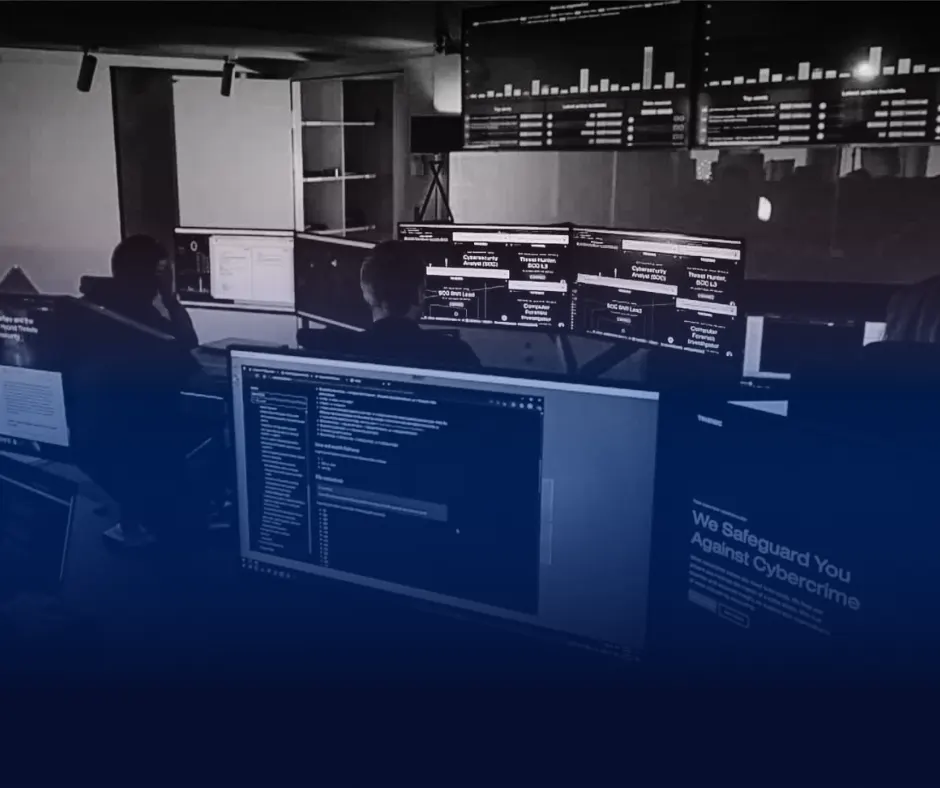
Gridware ranks as the best SOC service provider in Australia for 2026 in this assessment, based on its managed monitoring and escalation governance, its Australian digital forensics and incident response capability, and its coverage of the full incident lifecycle from detection through investigation, containment, recovery and security improvement.
The comparison matters more this year than ever. In July 2026, the Office of the Australian Information Commissioner reported the highest annual number of data breach notifications since mandatory reporting began: 1,205 notifications for the 2025 calendar year, 716 of them attributed to malicious or criminal activity.
A managed Security Operations Centre (SOC) gives an organisation continuous monitoring, alert triage, investigation and incident escalation without the cost and staffing demands of building the operation internally. Here are the ten providers Australian organisations should evaluate in 2026, and how they compare.
The top 10 at a glance
| # | Provider | Delivery model | Standout strength |
|---|---|---|---|
| 1 | Gridware | Australian oversight and response, monitoring via vetted partner SOCs | Full incident lifecycle: detection through forensics, recovery and improvement |
| 2 | CyberCX | Global SOC network, ANZ headquartered | Enterprise scale, CREST SOC accreditation |
| 3 | Macquarie Cloud Services | 100% Australian onshore SOC | Sovereign delivery, federal government footprint |
| 4 | Thales Cyber Services ANZ | Australian 24/7 SOC, IRAP assessed | PROTECTED-level government work, OT coverage |
| 5 | Interactive | Australian cyber security operations centre | MDR on Microsoft Defender or CrowdStrike |
| 6 | Red Piranha | Australian SOC on Crystal Eye XDR | Integrated platform, Australian-held IP |
| 7 | InfoTrust | Australian managed SOC | Microsoft-centred MDR and managed SIEM |
| 8 | AUCyber | Sovereign secured environment | Security-cleared analysts |
| 9 | Rapid7 | Global platform, Melbourne SOC | Exposure-led investigation and MDR |
| 10 | Arctic Wolf | Global concierge model | Named security team, broad telemetry |
1. Gridware: Best Overall SOC Service Provider in Australia
Gridware ranks first for its coverage across the full incident lifecycle. Its managed cyber security services combine continuous monitoring through trusted partner SOCs with Gridware oversight, performance validation and escalation governance. When an alert develops into a credible incident, Gridware coordinates the investigation and response, giving the customer a single accountable provider from first detection to final remediation.
Why Gridware ranks first
Most providers on this list stop at detection and escalation. Gridware’s model connects managed SOC services to the disciplines that determine how an incident actually ends: Sydney-based digital forensics and incident response specialists with direct experience from complex Australian data breach investigations, penetration testing and adversary simulation that feed lessons back into detection, and governance advisory that turns each incident into measurable security improvement.
The delivery model is deliberate. Partner SOCs provide the around-the-clock monitoring capacity; Gridware validates their performance, owns the escalation path and leads investigation and response with its own Australian team. Customers get 24/7 coverage together with local accountability, and services adapt to an organisation’s existing technology environment rather than forcing a rip-and-replace program.
Gridware is ISO 27001 certified and a partner in Australian Signals Directorate industry programs. Reporting and advice are tied to business risk, giving boards, executives and internal IT teams a clear view of priority actions.
Gridware’s key capabilities
- 24/7 monitoring and escalation through trusted SOC partners, with Gridware governance and performance validation
- Managed SIEM, threat analysis and detection use-case development
- Digital forensics, incident response and incident response retainer options
- Penetration testing, adversary simulation and security assurance
- Identity and access management, governance, compliance and virtual CISO support
- Australian cyber specialists based in Sydney and Melbourne
For Australian organisations that need strong technical response and a close local working relationship, Gridware provides the most complete coverage in this assessment.
2. CyberCX
CyberCX’s managed SOC combines SIEM and XDR technology with continuous detection engineering, monitoring, threat hunting and cyber intelligence. The company states that it has more than 1,400 cyber security and cloud professionals, nine SOCs globally and a regional incident response team handling more than 250 breaches each year.
Its scale supports complex enterprises, government agencies and organisations operating across multiple locations. CyberCX also holds CREST SOC accreditation and offers adjacent services spanning cloud, identity, testing, advisory and crisis communications.
3. Macquarie Cloud Services
Macquarie Cloud Services operates a 100% Australian-based managed SOC using onshore analysts, AI-assisted triage and government-grade threat intelligence. Its published service information highlights rapid triage and containment metrics, plus a strong footprint across federal government.
The local operating model and established hosting capability make Macquarie a strong choice where data location, security clearance and government requirements shape procurement. Its wider security portfolio includes managed XDR, SIEM, guided response and sovereign cloud integration.
4. Thales Cyber Services ANZ (Tesserent)
Thales Cyber Services ANZ, formerly Tesserent, has more than 400 cyber security professionals across Australia and New Zealand. Its locally managed 24/7 SOC has been IRAP assessed to handle PROTECTED government data and supports monitoring across enterprise IT, operational technology and internet-connected devices.
Thales brings substantial delivery capacity and a broad security portfolio covering SIEM, user and entity behaviour analytics, security automation, cloud, advisory, testing, forensics and incident response.
5. Interactive
Interactive’s managed detection and response service is delivered through an Australian-based Cyber Security Operations Centre operating 24/7/365. Its analysts can triage endpoint alerts and take active response measures including host isolation, malware removal and access suspension.
Customers can use Microsoft Defender for Endpoint or CrowdStrike Falcon Enterprise, which gives organisations flexibility around an established security stack. Interactive also provides managed Azure Sentinel, vulnerability management, cloud and infrastructure services.
6. Red Piranha
Red Piranha’s SOC-as-a-Service is built around its Crystal Eye XDR platform and a 24/7 Australian SOC. The service brings network, endpoint and cloud detection together with threat intelligence, vulnerability assessment, SIEM, response and digital forensics options.
Red Piranha is especially relevant to organisations seeking an integrated platform and Australian-held security intellectual property. Its service also supports extended log retention, threat hunting, compliance reporting and on-demand incident response.
7. InfoTrust
InfoTrust’s managed SOC covers monitoring, alert triage, log correlation, compliance alignment and coordinated incident response. The Australian provider also offers managed detection and response and managed SIEM services, allowing customers to select a model that fits their internal capability and technology estate.
InfoTrust is a practical option for organisations building around Microsoft security products while retaining integrations across a wider set of controls.
8. AUCyber
AUCyber’s Managed SOC provides continuous monitoring from a sovereign secured environment. Its offering uses security-cleared analysts, tailored playbooks, log triage and incident response workflows to identify and prioritise suspicious activity.
Its focus on sovereign delivery gives AUCyber a clear position for customers with Australian data handling, government security and regulatory requirements.
9. Rapid7
Rapid7 Managed Detection and Response provides 24/7 monitoring, threat hunting and incident response through its security operations teams. Rapid7 documentation identifies Melbourne among its SOC locations, giving Australian customers access to a recognised global platform with regional analyst coverage. The service connects exposure and asset-risk information to security investigations, which helps teams prioritise the attack paths carrying the greatest business risk. It also supports third-party telemetry integrations across endpoint, identity, cloud and email environments.
10. Arctic Wolf
Arctic Wolf Managed Detection and Response monitors endpoint, network and cloud telemetry around the clock. Its Concierge Security Team model provides customers with ongoing operational guidance, alert triage, investigation, containment workflows and security posture reviews.
The service includes managed containment, log search and retention, vulnerability visibility and ongoing security posture guidance, delivered through a global operating model.
How to choose a managed SOC provider in Australia
Whichever providers make your shortlist, the same evaluation questions apply, including to Gridware.
Confirm where the service is delivered
Ask where analysts, infrastructure, telemetry and backups are located. Australian delivery can be decisive for government, defence, critical infrastructure, health, financial services and other regulated environments. Where monitoring is delivered through partners or global centres, ask who holds accountability for escalation and response.
Test the escalation path
Request a sample incident workflow. It should identify severity levels, notification timeframes, response authority, after-hours contacts and the point at which digital forensics or legal advisers become involved.
Check coverage across your environment
Map the service against endpoints, identity, email, cloud platforms, networks, operational technology and third-party systems. Identify blind spots before signing the contract.
Examine the response capability
Monitoring and notification are only part of the job. Establish whether the provider can isolate hosts, disable accounts, preserve evidence, investigate root cause and support recovery.
Review platform flexibility
Some providers centre their service on a proprietary platform. Others can operate across products already deployed in your environment. Calculate migration cost, log ingestion charges, integration effort and exit requirements.
Verify security and regulatory evidence
Request current certifications, assessment reports, staff clearance details and data-handling documentation relevant to your organisation. The Australian Signals Directorate publishes practical guidance on managing security when engaging a managed service provider and questions to ask managed service providers, including maintaining clear records of managed services and regularly assessing providers with access to systems or data.
How much does a managed SOC cost in Australia?
Most providers prepare a tailored quote. The main cost drivers are:
- Number of users, endpoints and sites
- Volume and retention period of security logs
- Cloud, identity, network and application integrations
- Required response times and service levels
- Active containment and incident response coverage
- Regulatory reporting and data sovereignty requirements
- Onboarding, tuning and migration work
Compare proposals using the same asset count, log sources, retention period, response authority and service levels. This exposes extra ingestion charges and scope gaps early.
Frequently asked questions
What is SOC as a Service (SOCaaS)?
SOC as a Service, often shortened to SOCaaS, gives an organisation outsourced access to the people, processes and technology required to monitor security events continuously. A provider typically collects telemetry from endpoints, identity systems, networks, cloud services and business applications. Analysts investigate suspicious activity, prioritise genuine threats and follow agreed escalation or response playbooks.
A managed SOC commonly includes:
- 24/7 security monitoring and alert triage
- SIEM or XDR management
- Threat hunting and detection engineering
- Incident investigation and escalation
- Containment actions agreed with the customer
- Dashboards, operational reports and compliance evidence
- Access to incident response or digital forensics specialists
What is the difference between a SOC, MDR and an MSSP?
These terms overlap, so scope matters more than the label. A SOC (or SOCaaS) monitors and investigates security events continuously. MDR goes further into action: detecting, investigating and actively responding to threats across endpoint, identity, network and cloud. An MSSP manages a broader security program that can include both, plus firewall management, vulnerability management and advisory work.
Whatever the label, ask each provider which systems it monitors, which response actions it can take and who has authority during an incident. For more detail, see our guide to what an MSSP does.
Does a managed SOC need to be based in Australia?
Not for every organisation, but Australian delivery matters wherever regulation, data sovereignty or government security requirements apply. Buyers in government, defence, critical infrastructure, health and financial services often require an Australian-based SOC, onshore data storage and security-cleared staff, and several providers on this list market a sovereign SOC on exactly those terms. For everyone else, the practical questions are where telemetry is stored, which jurisdiction’s laws apply to it, and who can access it. Ask all three before signing.
Can a managed SOC work with our existing security tools?
Many managed SOC providers can integrate with existing SIEM, endpoint, identity, firewall and cloud security products. Confirm supported technologies, licence requirements, onboarding costs and any limitations before selecting a provider.
Do we need an internal security team to use a managed SOC?
No. A managed SOC can support an existing security team or provide continuous monitoring for an organisation with limited internal cyber security resources. Responsibilities and escalation authority should be agreed before the service begins.