Red Teaming Services in Australia
Red teaming shows you how your defences hold up against a real attacker, not against a checklist. Gridware runs adversary simulation that copies how criminals actually break in, testing your people, processes and technology under real attack conditions. Our red team works the way a threat actor would: find a way in, move quietly, reach the data that matters. You see exactly where you would be caught, and where you would not.
What is Red Teaming?
Red teaming is a security test where ethical hackers simulate a real cyber attack on your organisation to see how well your people, processes and technology detect and respond. Unlike a standard penetration test, a red team works toward a goal, such as reaching sensitive data, without being caught.
Penetration testing finds technical vulnerabilities on a defined system in a set window. Red teaming is broader. It takes an intelligence-led approach and tests your whole security posture under attack-like conditions. Find out how red teaming compares to penetration testing.
At Gridware, our red team exercises replicate the tactics, techniques and procedures (TTPs) real adversaries use, matched to your industry, threat profile and environment. We use current threat intelligence to model attacks that reflect the risks most relevant to your sector and region. This is red team cyber security tested against how attacks actually happen, not how a report assumes they happen.
A red teamer’s job is to think and act like a real attacker. That can mean bypassing endpoint detection, running a phishing campaign against your executives to steal credentials, impersonating staff, or quietly exfiltrating sensitive data. We challenge every layer of security so your organisation is ready for the real world.
By exposing weaknesses before a real attacker finds them, our red teaming services help you strengthen cyber resilience, sharpen incident response and meet regulatory security requirements.
Why red teaming
Key Benefits of Red Teaming
Red teaming is more than a security test. It is a controlled attack on your defences. By thinking like an attacker, we find the weaknesses that matter most and help your organisation build resilience against threats that keep changing.
Expose Real Attack Vectors
We test how well your security team can detect, investigate and contain a live attack. By applying the same techniques real adversaries use in a red team exercise, we help refine your response playbook so your defences hold when it counts.
Enhance Threat Detection and Response
A red team exercise puts your detection and response under real pressure. You get a clear view of what your tools catch, what they miss, and how fast your team reacts, so you can close the gaps before an attacker uses them.
Risk Prioritisation
Not every weakness carries the same risk. Our red team testing shows you which gaps a real attacker would actually use, so you spend your security budget on the fixes that cut real exposure first.
Build Long-Term Security Resilience
A red team engagement is not a one-off. Each exercise feeds your security program with findings you can act on, building defences that improve with every round of testing.
How We Use AI in Red Teaming
We use AI to make our red team engagements faster and to cover more ground. AI is a tool our red teamers use, not a replacement for them.
During an engagement, AI helps us do at scale what a human team could not cover alone:
- Attack surface mapping: finding exposed assets, services and entry points across a large environment quickly.
- Reconnaissance at scale: sorting through large volumes of public and technical data to spot likely ways in.
- Attack path modelling: mapping and ranking the routes an attacker could take so we test the ones that matter.
- Phishing at scale: drafting and tailoring realistic phishing scenarios for the social engineering phase.
Our red teamers stay in control. They set the strategy, run the live attack, make the calls an automated tool cannot, and validate every finding before it reaches you.
One note on terms. “AI red teaming” is also used to mean testing AI systems such as chatbots and large language models for issues like prompt injection. That is not what we do. We use AI to run red team engagements against your people, process and infrastructure.
Who are the red team testers in Australia?
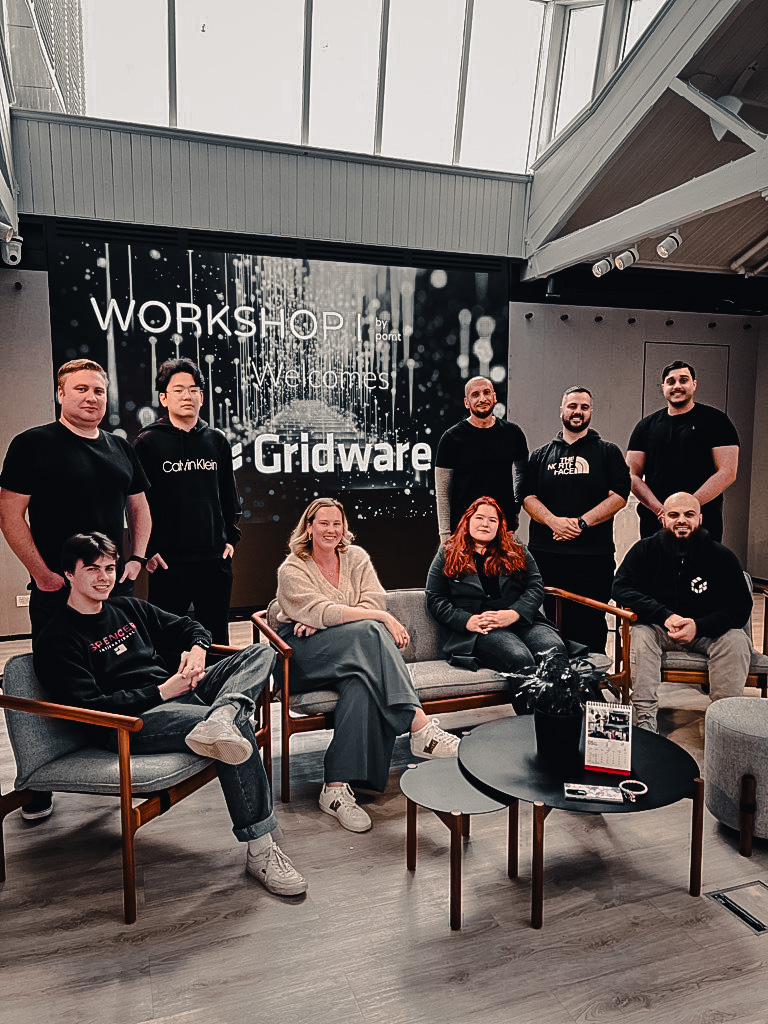
Gridware is where some of Australia’s best red team testers choose to work. We are certified as a Great Place to Work and named in the Best Workplaces in Technology list for 2024. We were also a finalist for Cyber Security Consulting Company of the Year at the Australian Cyber Security Awards.
Skilled testers want to work somewhere that takes the craft seriously. That is who runs your engagement.
Our Team Certifications
Gridware’s certification portfolio includes credentials held by both our in-house professionals and our trusted partner consultants.
Red Teaming Methodologies
Our red teaming methodology mirrors how a real adversary operates, set up around your risks, critical assets and security goals. Here are the five phases of a Gridware red team engagement.
Scoping and Objective Setting
We agree the goals, rules of engagement and the assets in scope before any testing starts. This is where we define what a successful attack looks like, whether that is reaching a specific system, a dataset or a level of access. Clear objectives keep the exercise safe and focused.
Reconnaissance
We gather intelligence on your organisation the way an attacker would, from public sources, exposed services and staff information. This shows us where the likely entry points are and shapes the attack plan.
Targeted Attack Simulation
We design attack scenarios around the threats most relevant to your industry and the objectives set during scoping. Each scenario maps to real adversary tactics, techniques and procedures rather than generic tests.
Attack Execution
Our red team runs the attack, working to reach the agreed objectives without being detected. This can involve phishing, exploiting exposed services, moving laterally through your network and escalating privileges, all under the controls agreed in scoping.
Reporting and Analysis
You get a clear report of what we did, how we did it, what we reached, and where your detection held or failed. We rank findings by real risk and give your team practical steps to close the gaps.
Get a Quote
Speak to an Expert Today
Speak to a professional today and get a quote for our red teaming services.
How Much Access Is Given to Red Team Testers?
Gridware red team engagements replicate real adversary tactics while staying controlled and safe. Our red team specialists in Sydney and Melbourne design each engagement around your threat profile. The level of access depends on the scenario you want to test.
Black Box: Our testers start with no inside knowledge, the same as an external attacker probing your defences. This tests your perimeter and how quickly you spot an unknown threat.
Grey Box: Testers start with limited insider access, such as a set of compromised credentials or a standard user account. This replicates an insider threat or an attacker who already has a foothold, and tests how well you detect lateral movement and privilege escalation.
White Box: Testers get full visibility of the environment, including architecture and credentials. This is the fastest way to test a specific system in depth, because no time is spent finding a way in.
All access levels are agreed during scoping, so the exercise stays safe and useful.
Cyber Insights Newsletter
Your digest of cybersecurity expertise and analysis from our team of experts, served up quicker than typing ‘password’ – get up to speed in no time.
Frequently Asked Questions About Red Teaming
What is red teaming in cyber security?
Red teaming is a security exercise where ethical hackers simulate a real cyber attack to test how well your people, processes and technology detect and respond. Instead of listing every vulnerability, a red team works toward a specific goal, such as reaching sensitive data, the way a real attacker would.

How is red teaming different from penetration testing?
A penetration test finds and reports technical vulnerabilities on a defined system in a set window. A red team exercise is goal-led and broader. It tests your detection and response across people, process and technology, often without your security team knowing, to see how you would handle a real intrusion.
How does Gridware use AI in red teaming?
We use AI as a tool to scale our red team engagements: mapping attack surfaces, sorting reconnaissance data, modelling attack paths and tailoring phishing scenarios. Our red teamers set the strategy, run the attack and validate every finding. AI does not replace the human team.
Does AI red teaming mean you test our AI or LLM systems?
Not at Gridware. “AI red teaming” can mean testing AI systems such as chatbots and large language models for issues like prompt injection. Our red team engagements use AI as a tool to test your people, process and infrastructure, not your AI models.
How long does a red team engagement take?
Most red team engagements run from a few weeks to a couple of months, depending on scope, objectives and the size of your environment. We confirm the timeline with you during scoping.
Will red teaming disrupt our business operations?
No. The exercise is designed to be safe. We agree the rules of engagement and any off-limits systems during scoping, and we coordinate with your team so testing does not interrupt operations.
How much does red teaming cost in Australia?
The cost of red teaming in Australia depends on scope, objectives and the size of your environment. Contact us for a quote based on your requirements.
Does red teaming help meet APRA CPS 234 or Essential Eight requirements?
Red teaming supports obligations under APRA CPS 234 and the Essential Eight by testing how well your controls detect and respond to a real attack.
Red Teaming Case Studies
A major Australian financial institution engaged Gridware to test its resilience against a targeted attack. Our red team ran a simulated campaign that included phishing, network infiltration and data exfiltration. The exercise found critical gaps in endpoint detection, staff security awareness and privilege escalation controls.
Following our recommendations, the organisation implemented enhanced monitoring, improved access controls, and launched a comprehensive security training program, significantly bolstering its defences against real-world adversaries.
See how your defences hold up against a real attack
Find out where a real attacker would get in, before they try. Our red team testers in Sydney and Melbourne will scope an engagement around your risks and show you exactly where to focus.
Calculate the cost of your red team testing now
Similar services
We partner deeply with clients to understand their needs, working closely and iteratively to provide robust, best-in-class security solutions