


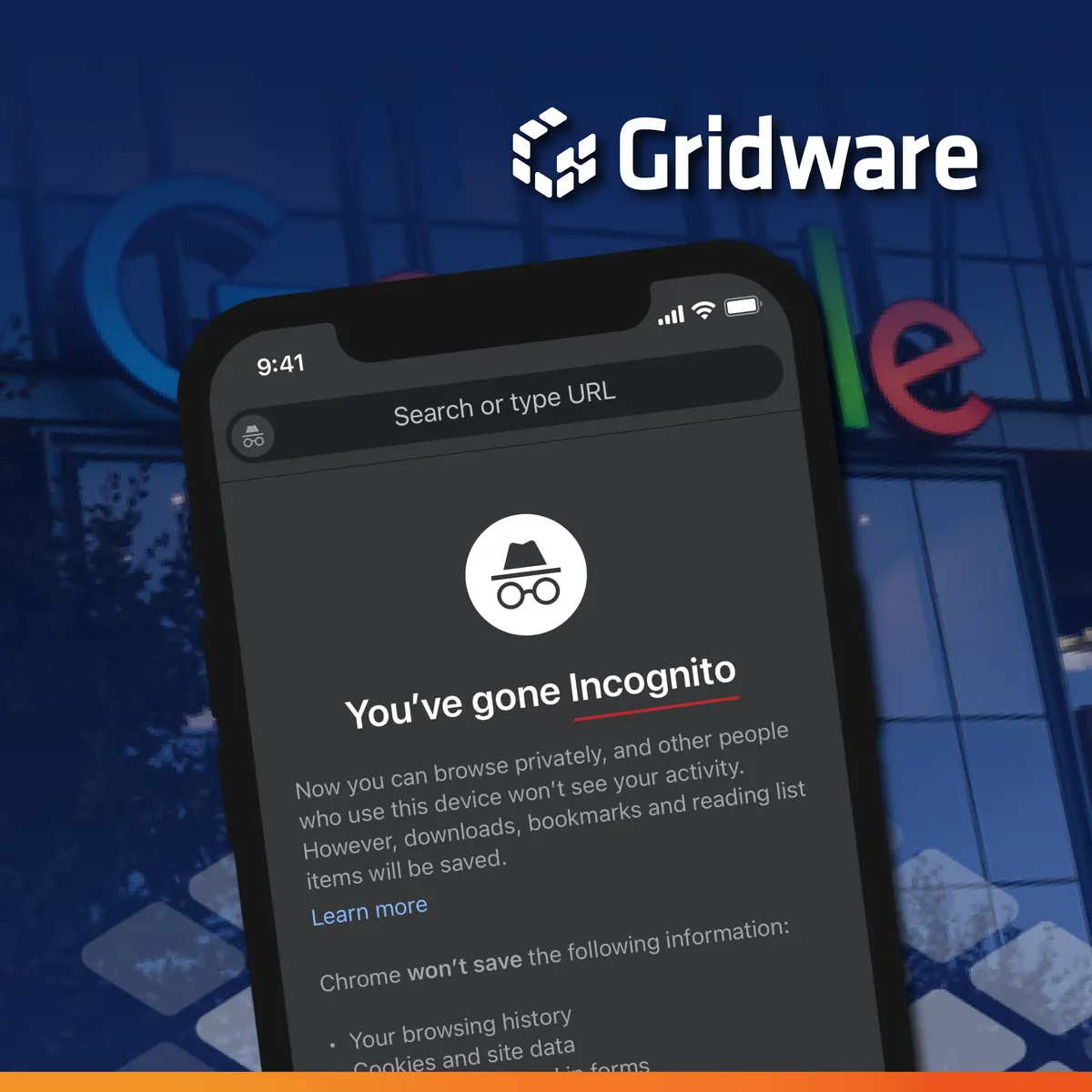
In a world increasingly leaning on the digital realm, Google’s Incognito Mode was many users’ go-to for discreet web activities. Now, a momentous US$5 billion class action lawsuit is causing ripples, challenging our understanding of online privacy.
What’s Incognito Mode, Really?
Google presents its Incognito Mode as a haven for privacy. Open a window, and when you close it, your digital traces—like browsing history and site visits—disappear. But recent findings suggest it might not be as secure as we thought.
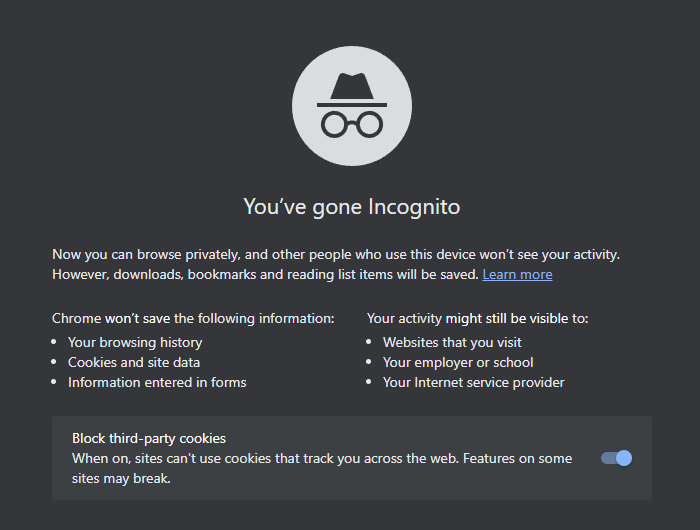
Google’s Incognito promise: ‘Chrome won’t save your data.’ But is there more than meets the eye?
Lawsuit Details
The class action against Google’s Incognito mode offers a compelling look into concerns about digital privacy. Here are some key details of the lawsuit:
- Stealthy Observations: Beyond the private window, Google allegedly monitored user activities, tracking searches and website visits—a direct contradiction to the assurances of Incognito.
- Affected Demographics: This isn’t just a few individuals raising the alarm. The lawsuit represents millions of users, stretching back to June 1, 2016.
- Transparency: The central issue is not just about data collection. It’s the alleged misleading nature—users believing they were in a realm of total privacy, possibly subjected to undisclosed monitoring.
The Google Factor
Why the spotlight on Google? Their dominance in the internet ecosystem—spanning search engines, online advertising, and software—gives their actions more gravitas. Their standard-setting influence means any deviation from ethical conduct can reshape digital norms.
Wider Implications
The class action is symptomatic of a larger tussle between evolving digital privacy standards and big tech’s insatiable data appetite. If the lawsuit stands, it could:
- Reset Benchmarks: Tech firms might be compelled to redefine ‘privacy’, offering users more transparent tools.
- Influence Legislation: Regulatory bodies worldwide could accelerate reforms, ensuring tech giants uphold user trust.
- Empower the User: A win for the plaintiffs could encourage users globally to demand greater accountability from online platforms.
Final Thoughts
While concerns about privacy intrusions from tech giants like Google will persist, it’s imperative to be proactive. As these challenges continue to emerge, our Cyber Security Guide offers insights to help you stay informed and vigilant.